Exploring the unconditional connection between babies and their caregivers.
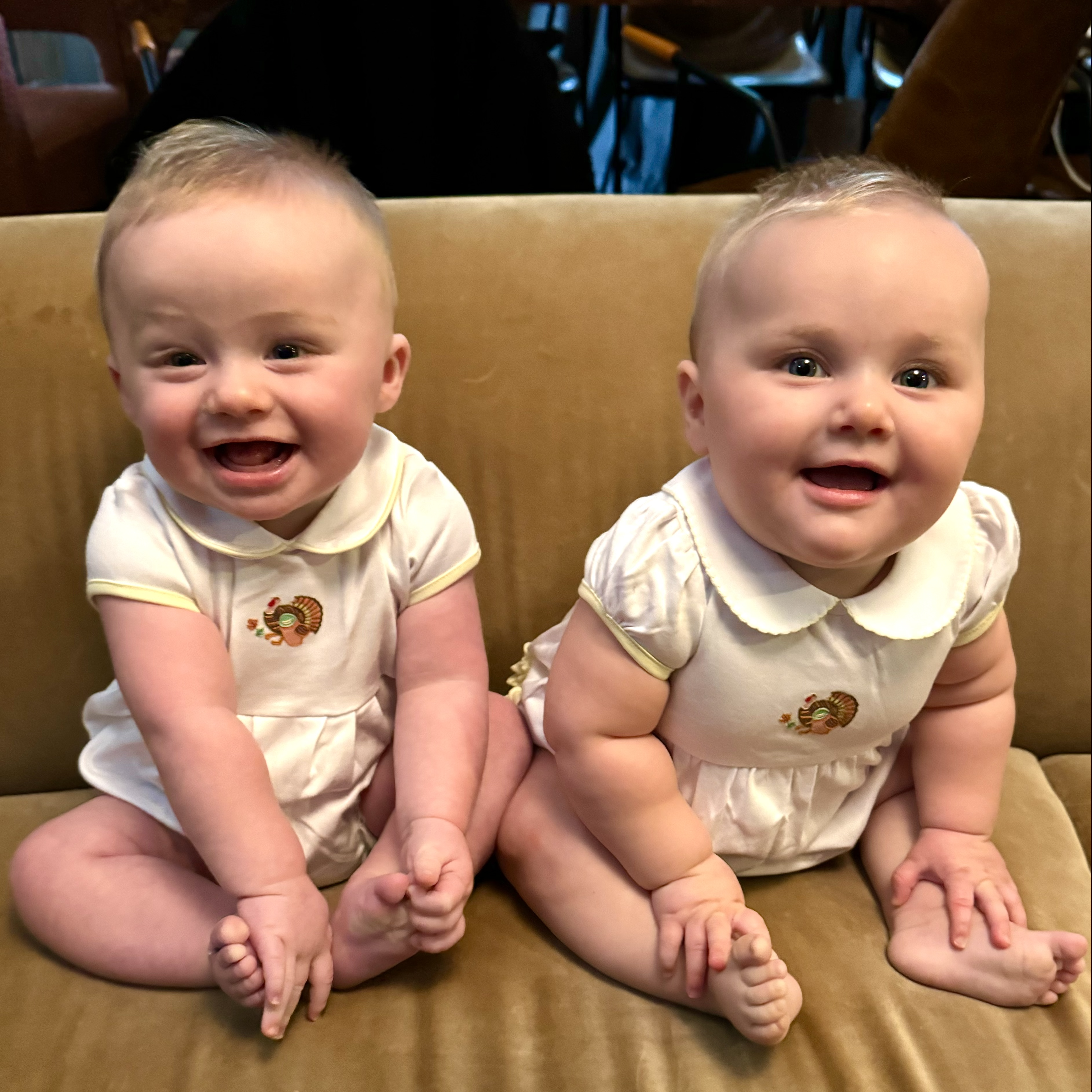
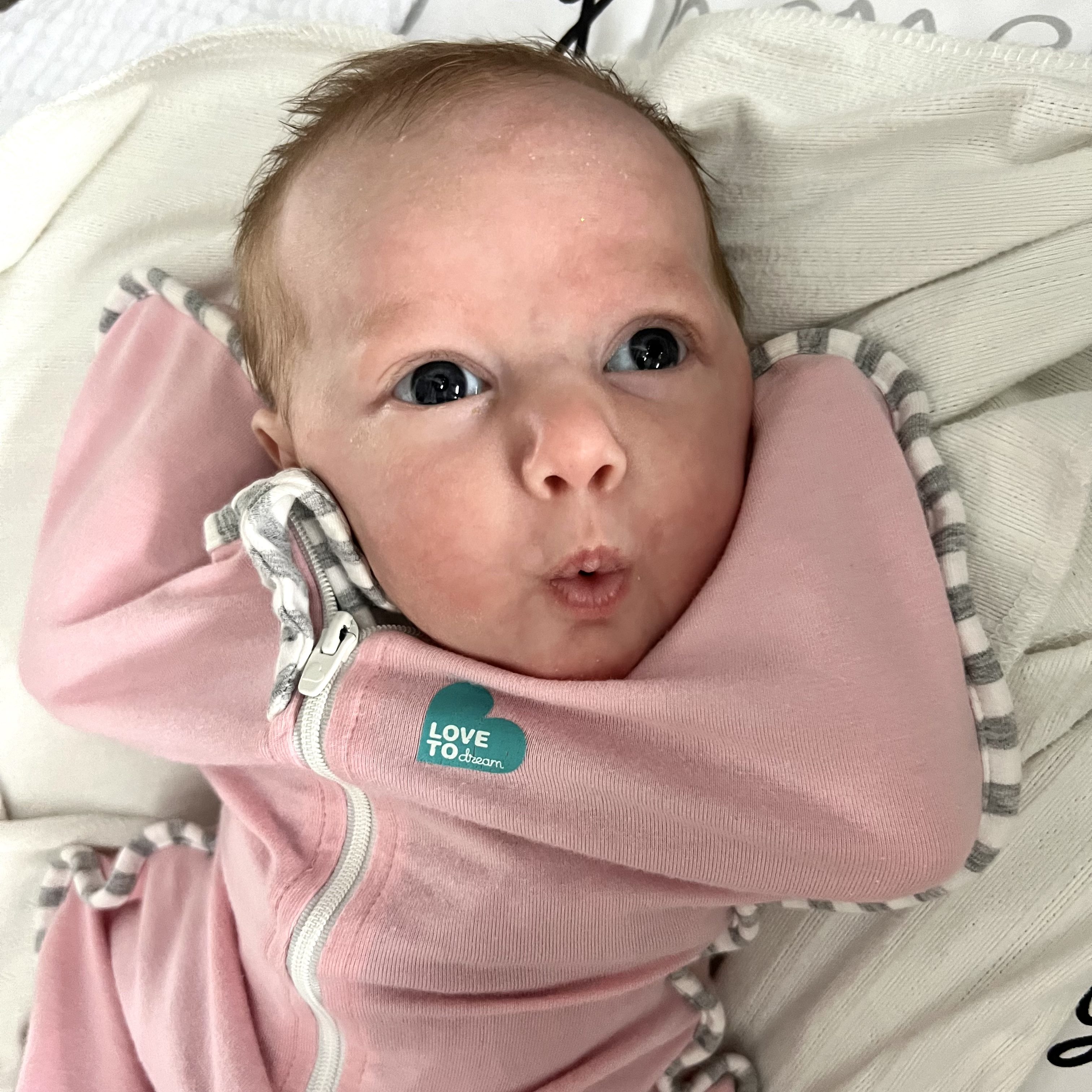
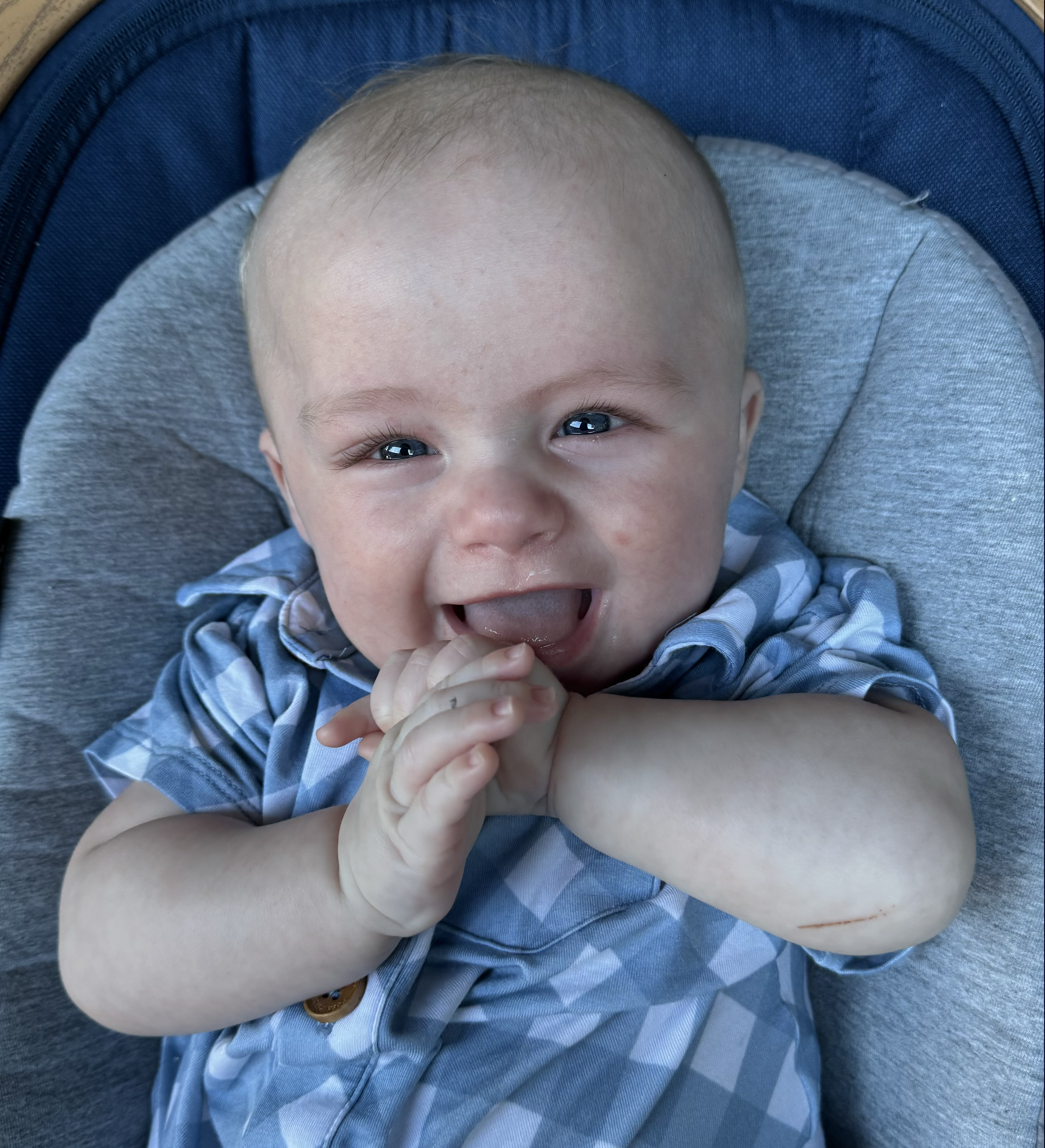
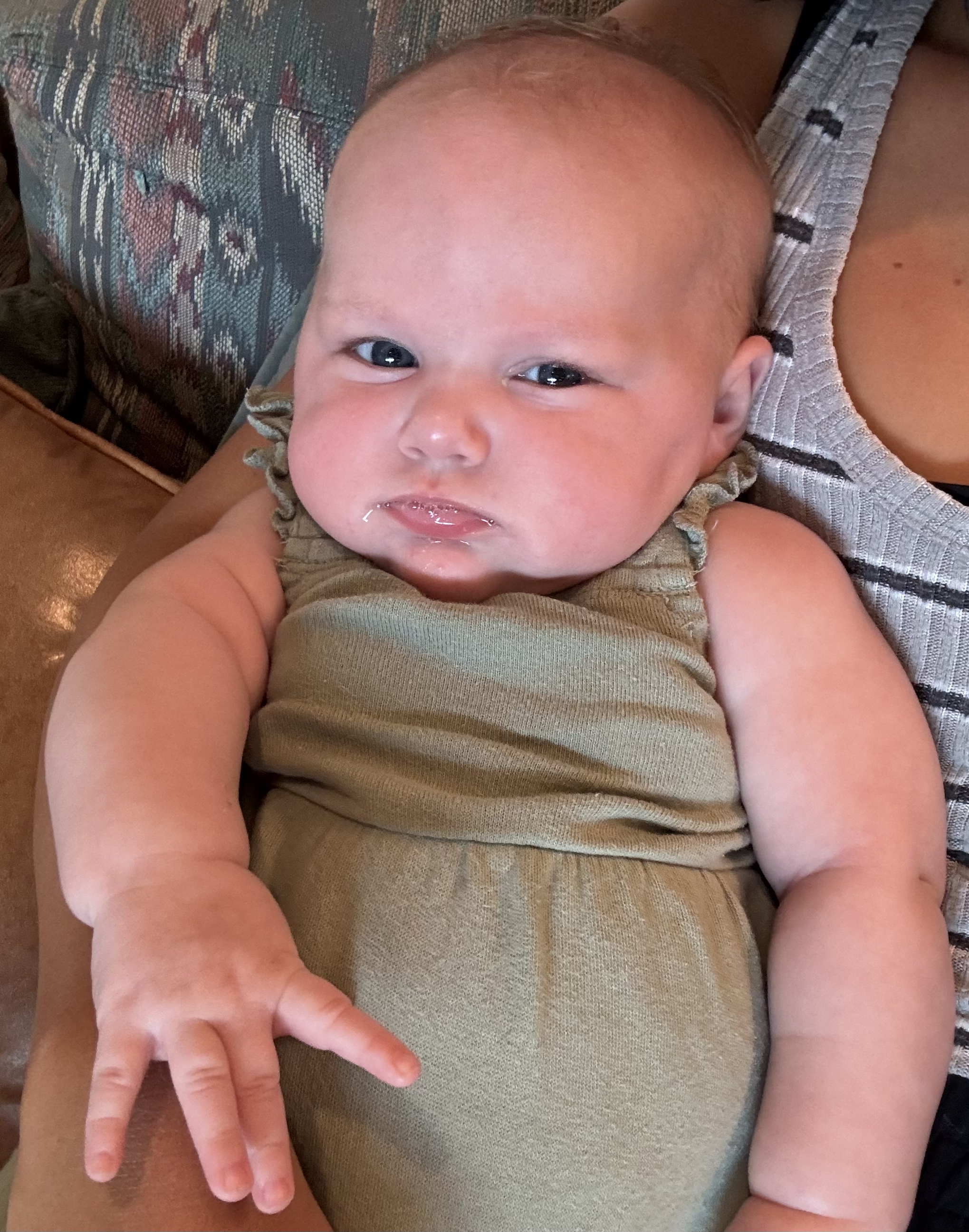
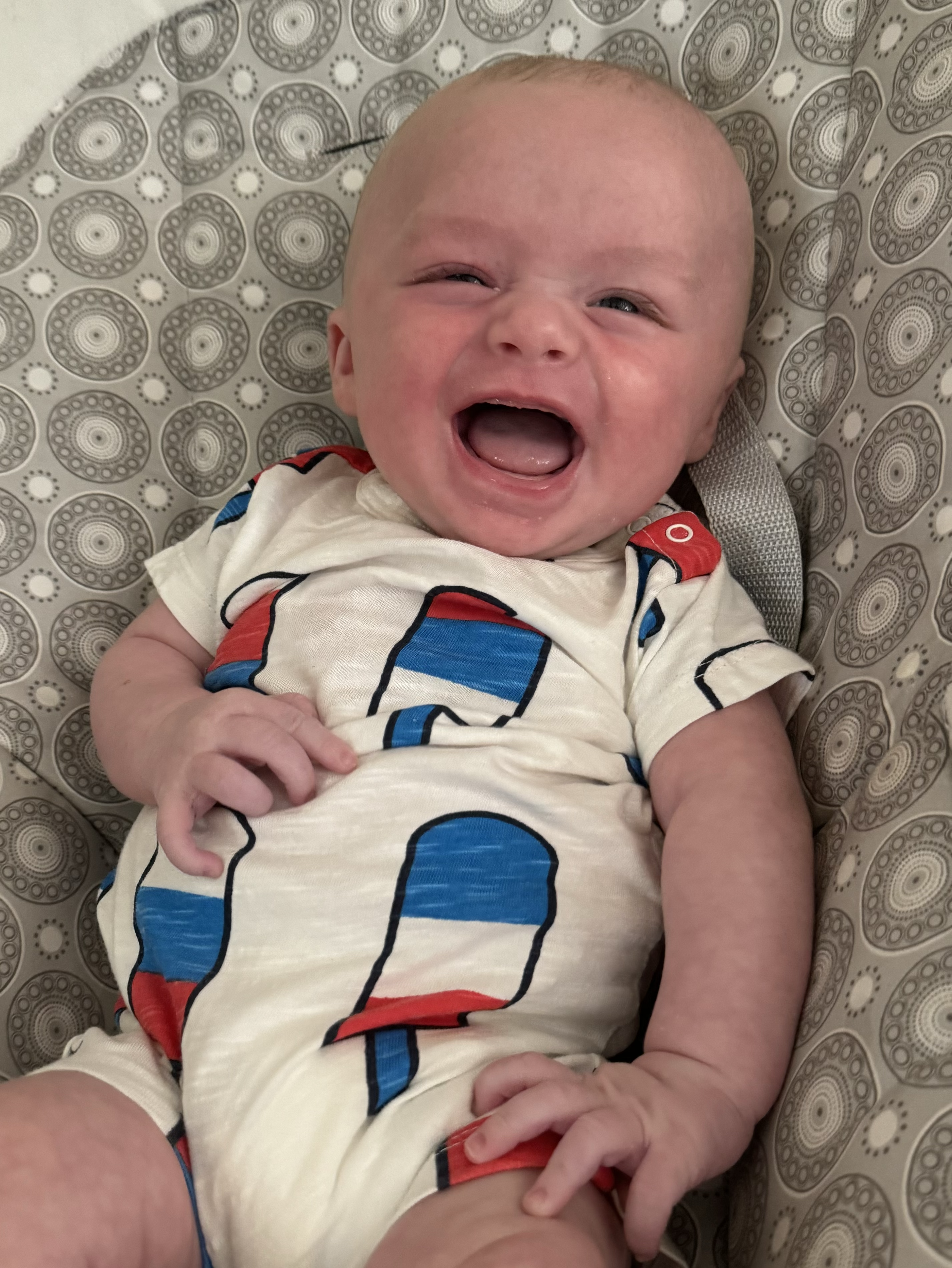
When Collins and Maverick gaze into my eyes with complete trust and adoration, they aren't evaluating my credentials, achievements, or social status. They're not considering what I can do for them beyond meeting their basic needs. They simply love—fully, openly, and without condition or reservation.
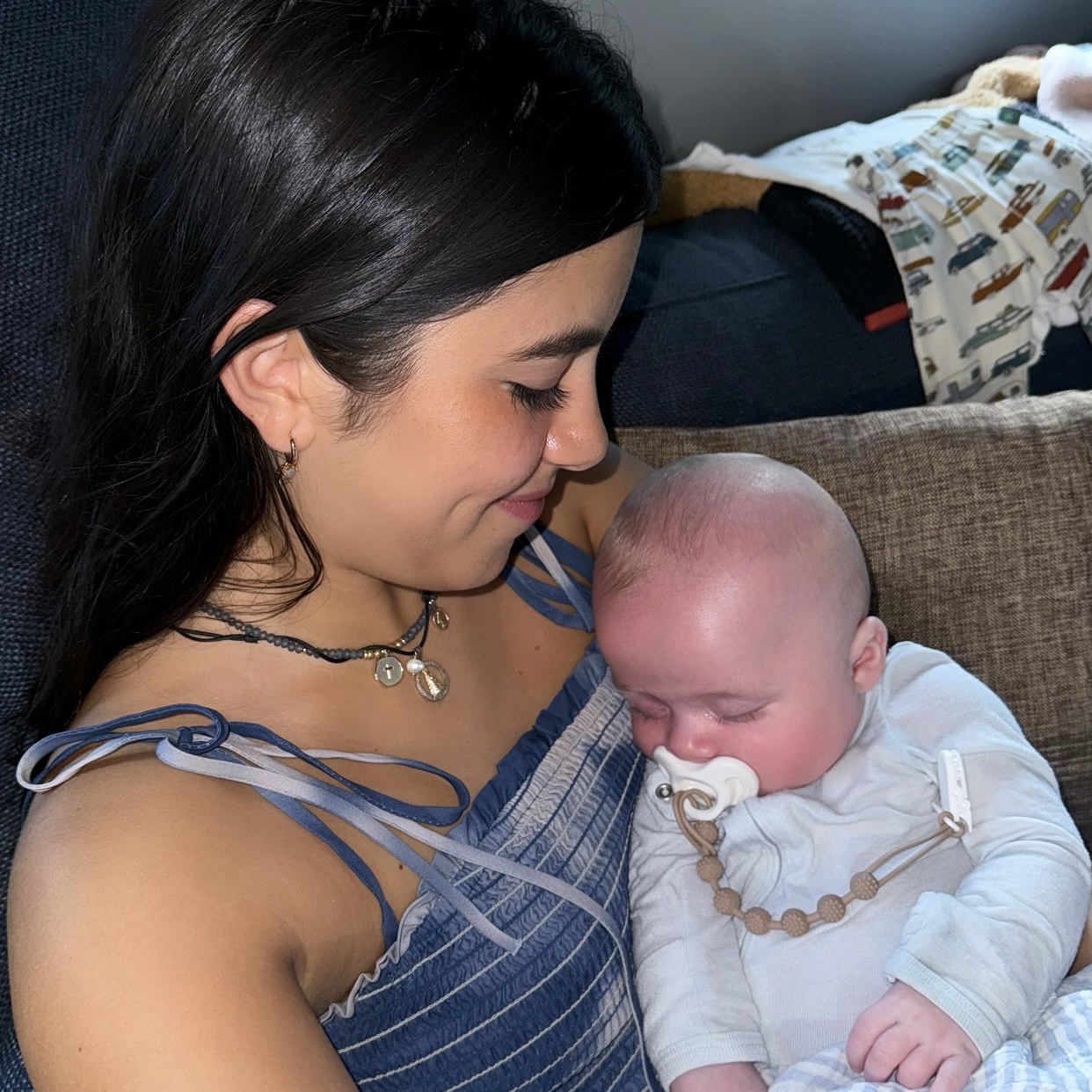
This unconditional love has been profoundly healing for me. In a world where we're often valued for what we produce or achieve, being loved simply for existing is a powerful reminder of our intrinsic worth. When Maverick reaches for me with his chubby arms, or when Collins nestles her head against my shoulder with complete trust, I'm reminded that at our core, we are worthy of love not for what we do, but simply because we are.
As adults, most of our relationships carry some level of expectation or condition. Even in our closest connections, love often depends on mutual respect, shared values, or reciprocal care. The love of a baby stands in stark contrast to this conditionality—it is given freely, without expectation of return. This pure love reminds me of what connection can be at its most essential and uncomplicated.
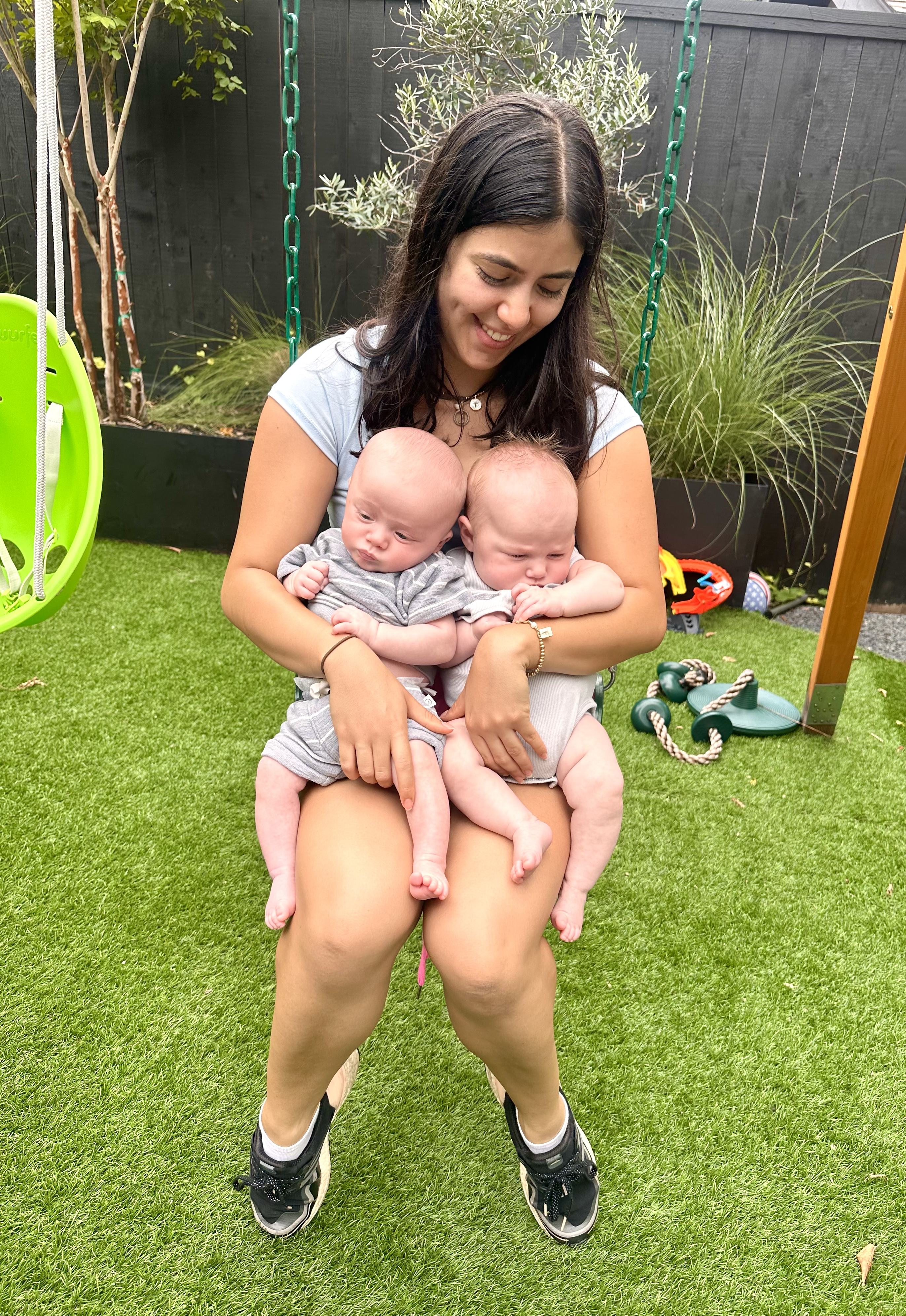
One of the most beautiful aspects of caring for Collins and Maverick is how they've taught me the true meaning of presence. Babies exist fully in the present moment, and they invite us to join them there. When I'm with the twins, checking my phone or allowing my mind to wander to my to-do list simply isn't an option. They demand—and deserve—my complete attention, and in giving it, I've discovered the profound connection that emerges from true presence.
I've noticed how this presence creates a beautiful feedback loop of connection. When I'm fully engaged with Collins as she explores a toy, her delight is magnified by our shared experience. When I mirror Maverick's expressions during our face-to-face play, his joy visibly increases. This mutual presence creates moments of what psychologists call "attunement"—a synchronization of emotions and attention that builds secure attachment and healthy development.
In our digitally distracted world, this lesson in presence feels particularly valuable. The twins remind me that love isn't just a feeling but an action—the action of being fully present with another person. When I give them my complete attention, I'm saying "You matter. Your experience matters. I am here with you." This embodied practice of presence is perhaps one of the greatest gifts we can give to anyone we love.
Babies are born into complete vulnerability and dependence. They cannot feed themselves, move themselves, or regulate their own emotions. This vulnerability creates a unique opportunity for deep connection as caregivers step in to meet these essential needs. Caring for Collins and Maverick has shown me how vulnerability and trust form the foundation of our deepest human bonds.
When Maverick cries and reaches for me, and I respond by picking him up and soothing him, I'm participating in a primal dance of need and response that builds trust. When Collins expresses hunger and I feed her, she learns that her needs matter and will be met. Each of these interactions reinforces their developing sense that the world is a safe place where they are seen, heard, and cared for.
As adults, we often build walls around our hearts, hiding our needs and vulnerabilities out of fear of rejection or judgment. The twins remind me that true connection requires a willingness to be vulnerable—to express our needs and to allow others to respond. Their complete openness in both joy and distress models a kind of emotional honesty that we often lose sight of as we grow older. Their vulnerability isn't weakness; it's the very thing that makes deep connection possible.
Creating opportunities for connection through developmentally appropriate activities has been central to my relationship with Collins and Maverick. These activities not only support their growth but also deepen our bond:
Sitting face-to-face with a baby and mirroring their expressions helps them learn emotional regulation while creating powerful moments of connection. Maverick particularly loves this game, giggling with delight when I copy his expressions.
Even from the earliest months, reading to babies creates intimacy through shared attention, the rhythm of language, and physical closeness. Collins will often pat the pages of her favorite books, her way of asking for another reading.
Singing, dancing, and moving to music creates joy while supporting language and motor development. Both twins respond enthusiastically to music, with their whole bodies wiggling in response to favorite songs.
Through these activities and countless moments of daily care, I've discovered that love isn't just something we feel—it's something we practice. In responding to their needs, sharing in their discoveries, and simply being present with them through all the moments of their day, we build a foundation of security and connection that will support them throughout their lives.